Productivity advice often splits into two camps. One side swears by tools—apps, planners, automation, AI, and systems that promise to streamline your day. The other side insists that habits matter far more than anything you install or buy. If you’ve ever wondered which one actually moves the needle, you’re not alone. The truth is more nuanced than “tools good, habits better.” Productivity is a relationship between the two, and understanding how they interact is the key to building a workflow that actually works.
This guide breaks down the real impact of tools and habits, how they complement each other, and how to choose the right balance for your own work style.
Why Tools Feel Like the Answer (But Aren’t the Whole Answer)
Tools are appealing because they offer instant structure. A new app feels like a fresh start. A new planner feels like a reset. A new automation feels like a shortcut. Tools give you the illusion of progress before you’ve actually changed anything.
But tools have limits:
- They don’t create discipline.
- They don’t eliminate procrastination.
- They don’t magically make your priorities clearer.
- They don’t fix an overloaded schedule.
Tools can support your productivity, but they can’t drive it. Without the right habits, even the best tools become clutter—another thing to manage, update, or abandon.
That said, tools do matter. They reduce friction, save time, and help you stay organized. The key is knowing what tools can do—and what they can’t.
Why Habits Matter More Than Most People Realize
Habits are the invisible architecture of your day. They determine:
- How you start your morning
- How you prioritize
- How you manage distractions
- How you recover from setbacks
- How consistently you show up
Habits are powerful because they operate automatically. Once a habit is established, it requires almost no mental effort. That’s why habits outperform tools in the long run: they scale with you.
A habit like “plan tomorrow before ending the day” will outperform any planning app. A habit like “write for 20 minutes every morning” will outperform any writing tool. A habit like “clear your workspace every night” will outperform any organization system.
Habits create momentum. Tools only amplify it.

The Real Truth: Tools and Habits Work Together
The most productive people don’t choose between tools and habits—they combine them strategically.
Think of it like this:
- Habits create consistency.
- Tools create efficiency.
Habits are the engine. Tools are the fuel.
When you rely on tools without habits, you get inconsistency. When you rely on habits without tools, you get inefficiency. When you combine both, you get sustainable productivity.
Where Tools Actually Shine
Tools are most effective when they reduce friction in areas where habits already exist. For example:
- If you already plan your day, a digital planner makes it faster.
- If you already track tasks, a task manager keeps them organized.
- If you already write regularly, a writing app helps you focus.
- If you already declutter, a workspace system keeps things tidy.
Tools amplify habits you already have—not habits you wish you had.
Where Habits Outperform Tools Every Time
There are areas where tools simply can’t compete:
1. Focus
No app can force you to concentrate. Only habits like time‑blocking, deep work, or distraction‑free routines can do that.
2. Prioritization
Tools can store tasks, but they can’t decide what matters. That’s a habit of thinking, not a feature.
3. Consistency
You can’t automate showing up. Consistency is built through repetition, not software.
4. Energy Management
No tool can fix burnout, poor sleep, or lack of breaks. Habits around rest and recovery matter more than any productivity system.

How to Choose the Right Tools (Without Overcomplicating Your Life)
Most people don’t need more tools—they need fewer tools used more intentionally.
Here’s a simple framework:
Choose tools that:
- Reduce friction
- Save time
- Simplify your workflow
- Support habits you already practice
- Integrate with your existing systems
Avoid tools that:
- Add complexity
- Require constant maintenance
- Duplicate what another tool already does
- Promise to “fix” your productivity
- Feel overwhelming or heavy
A good rule of thumb: If a tool takes more time to manage than it saves, it’s not a tool—it’s a burden.
How to Build Habits That Actually Stick
Habits fail when they’re too big, too vague, or too disconnected from your daily routine. The most effective habits are:
- Small
- Specific
- Triggered by something you already do
- Easy to repeat
- Rewarding
Here’s a simple formula:
After I [existing action], I will [new habit] for [small amount of time].
Examples:
- After I make coffee, I will plan my top 3 tasks.
- After I sit at my desk, I will clear my workspace.
- After I open my laptop, I will write for 10 minutes.
Small habits compound. Big habits collapse.
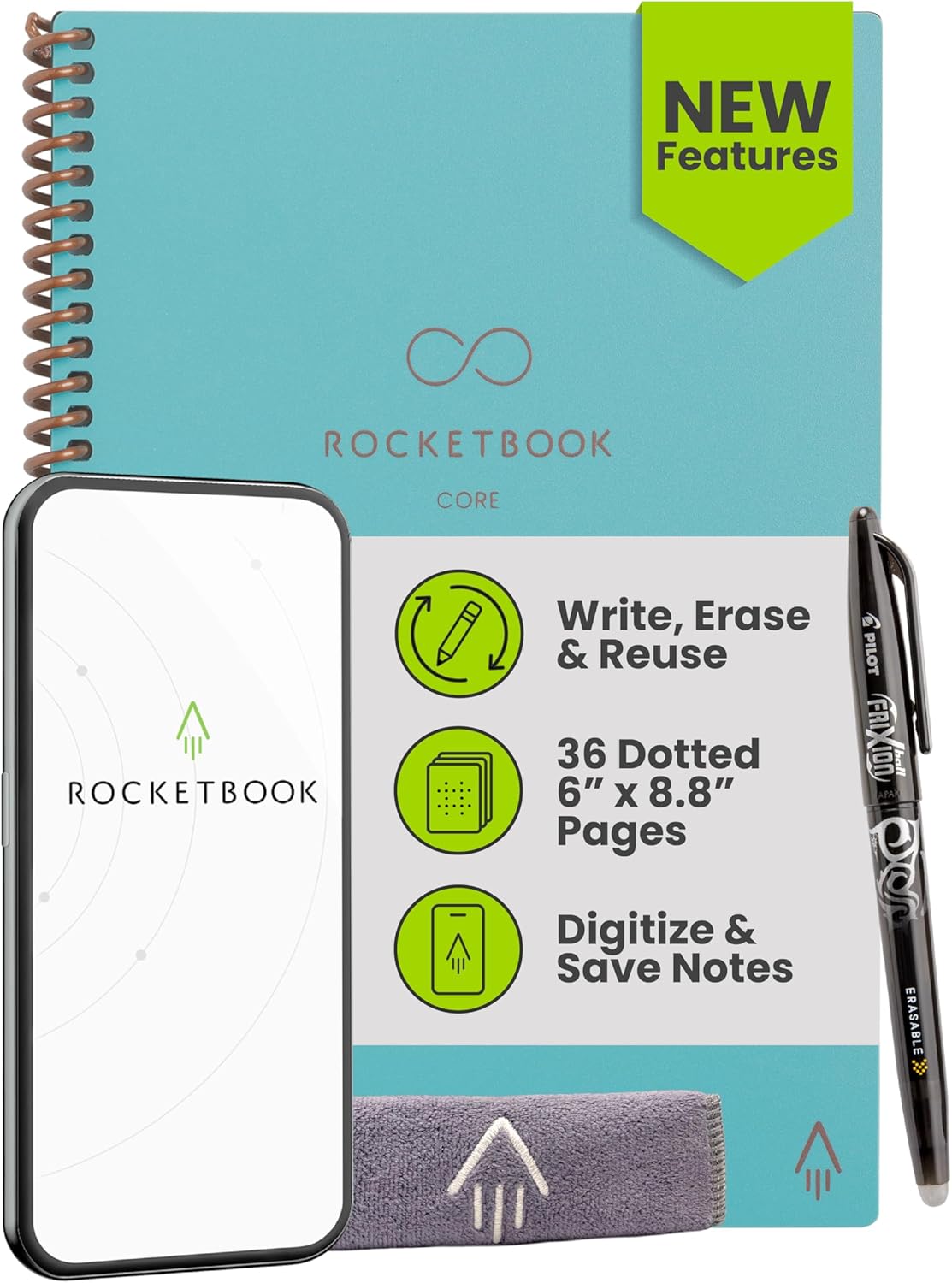
- Smart Organization: Dot‑grid pages with Smart Titles and Smart Tags for easy digital filing.
- Write → Scan → Erase: Use the Frixion pen, scan with the Rocketbook app, save to your favorite cloud service, then wipe pages clean.
- App‑Enabled: Quickly upload notes to Google Drive, Dropbox, OneNote, and more.
- Eco‑Friendly Reuse: Reduces paper waste with endlessly reusable pages.

The 80/20 Rule of Productivity: Habits = 80%, Tools = 20%
Most productivity gains come from:
- Clear priorities
- Consistent routines
- Focused work
- Good energy management
- Reduced distractions
Tools help with the remaining 20%:
- Automation
- Organization
- Speed
- Convenience
If you’re struggling with productivity, start with habits. If your habits are solid but you feel slow or disorganized, add tools.
Examples: When Tools Help and When Habits Help
Scenario 1: You feel overwhelmed by tasks
- Habit: Daily prioritization
- Tool: A simple task manager like Todoist or Things
Scenario 2: You procrastinate
- Habit: Time‑blocking or Pomodoro
- Tool: A timer app
Scenario 3: Your workspace feels chaotic
- Habit: End‑of‑day reset
- Tool: Desk organizers or a digital filing system
Scenario 4: You forget important deadlines
- Habit: Weekly review
- Tool: Calendar reminders
Scenario 5: You lose focus easily
- Habit: Deep work sessions
- Tool: Website blockers
Tools support the habit—but the habit drives the result.
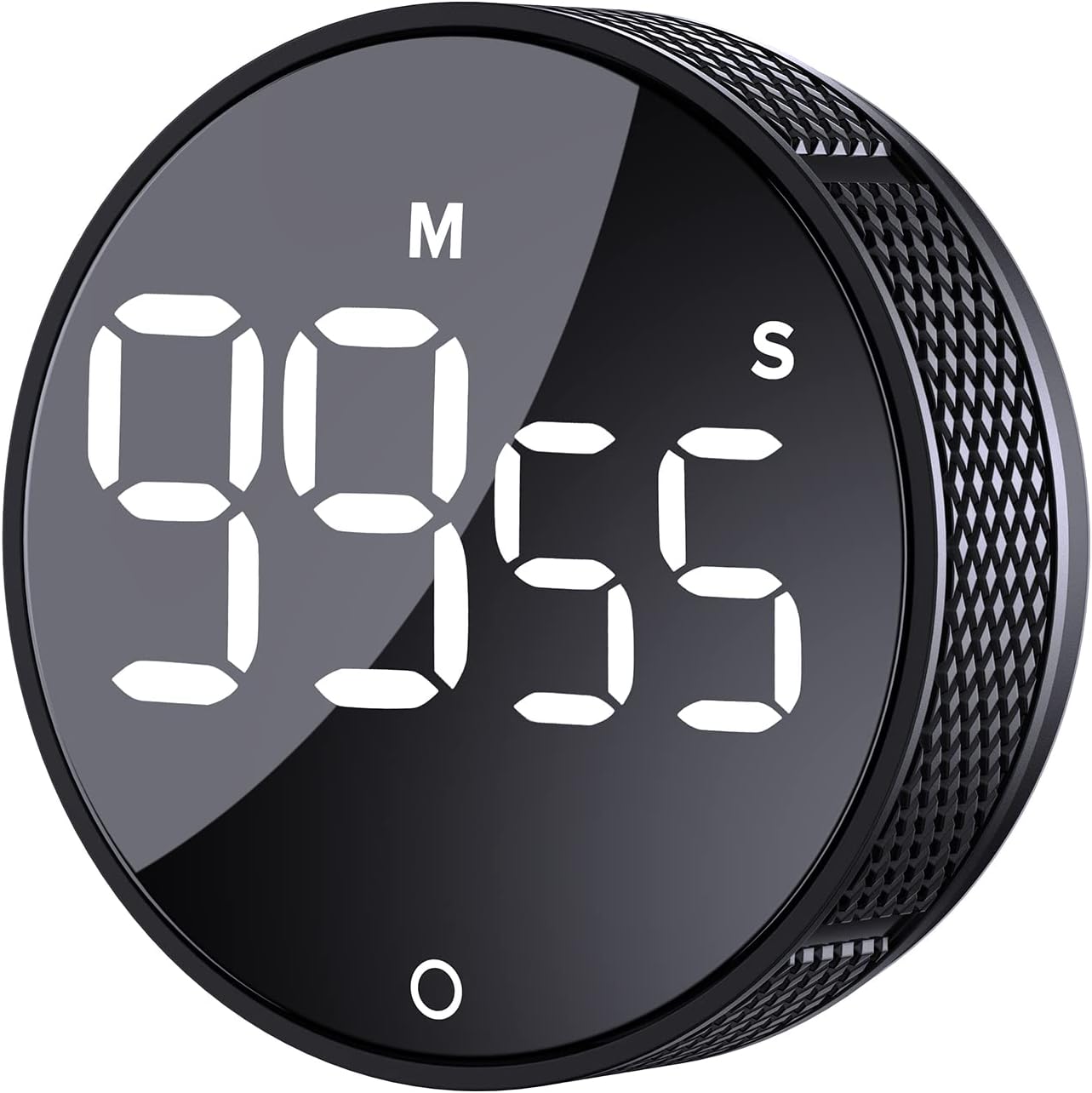
- Fast Rotary Control: Set time instantly by twisting the outer ring, with one‑touch start/stop for quick countdowns or count‑ups (0–99 minutes). Ideal for meetings, work sessions, presentations, and productivity blocks.
- Versatile for Work & Daily Routines: Supports focused work sessions, classroom timing, exercise intervals, cooking, team meetings, and task management.
- Clear Display with Adjustable Brightness: Large LED digits with three brightness modes (constant, dim, off) for comfortable viewing in offices, conference rooms, or low‑light environments.
How to Build a Balanced Productivity System
A balanced system has three layers:
1. Core Habits (foundation)
These are the non‑negotiables:
- Planning your day
- Reviewing your week
- Managing your energy
- Protecting your focus
- Keeping your workspace clean
2. Supporting Tools (structure)
These make your habits easier:
- Calendar
- Task manager
- Notes app
- Automation tools
- Workspace setup
3. Personal Workflow (customization)
This is where you adapt everything to your style:
- Morning routine
- Work blocks
- Break rhythms
- Workspace layout
- Digital organization
When these three layers align, productivity becomes effortless.
Final Thoughts: What Actually Improves Productivity?
If you want real, lasting productivity—not just a burst of motivation—habits matter more than anything else. Tools can help, but they can’t replace the discipline, clarity, and consistency that habits create.
The most productive people aren’t using the most tools. They’re using the right tools to support the right habits.
Start with habits. Add tools intentionally. Build a system that works for you—not one that overwhelms you.